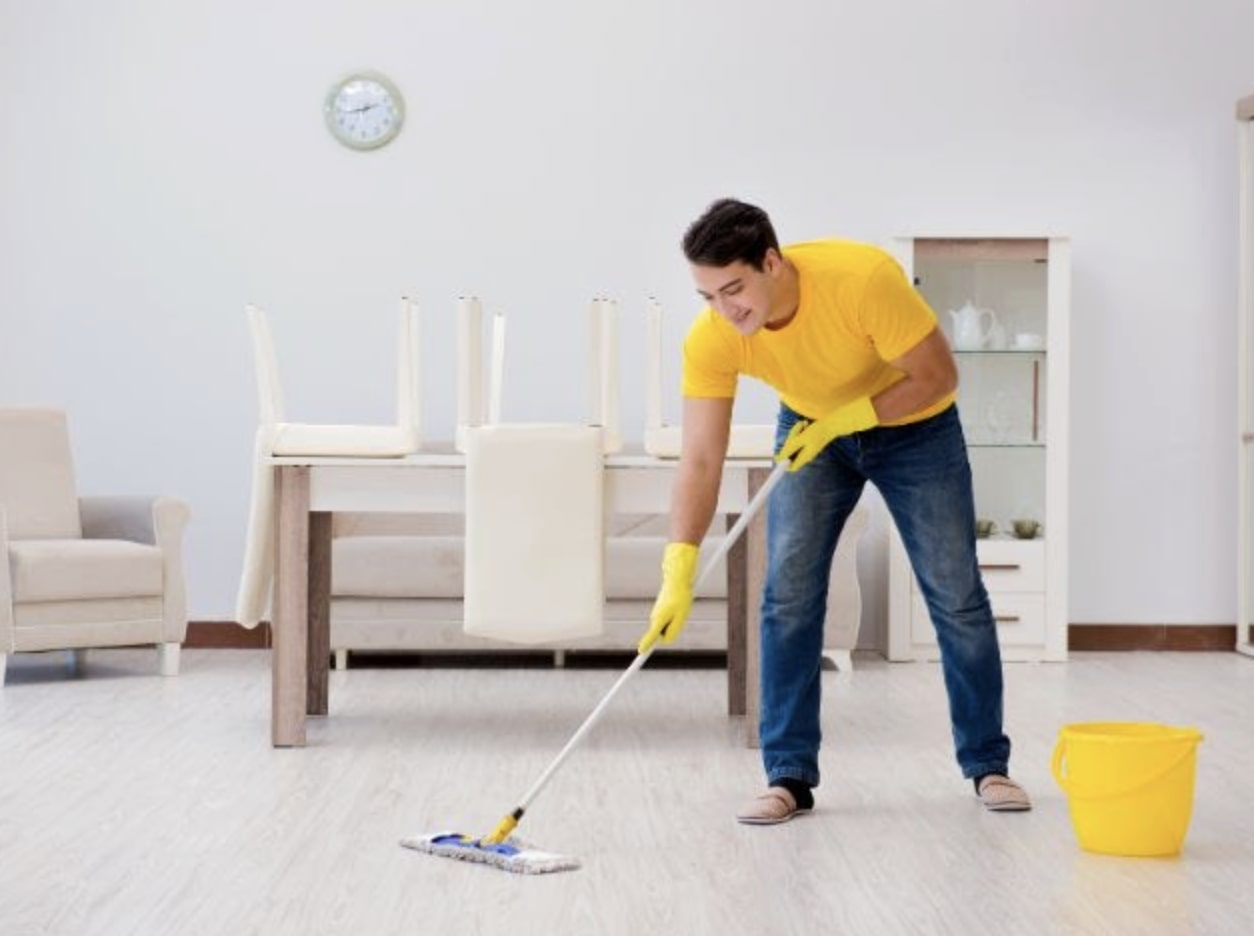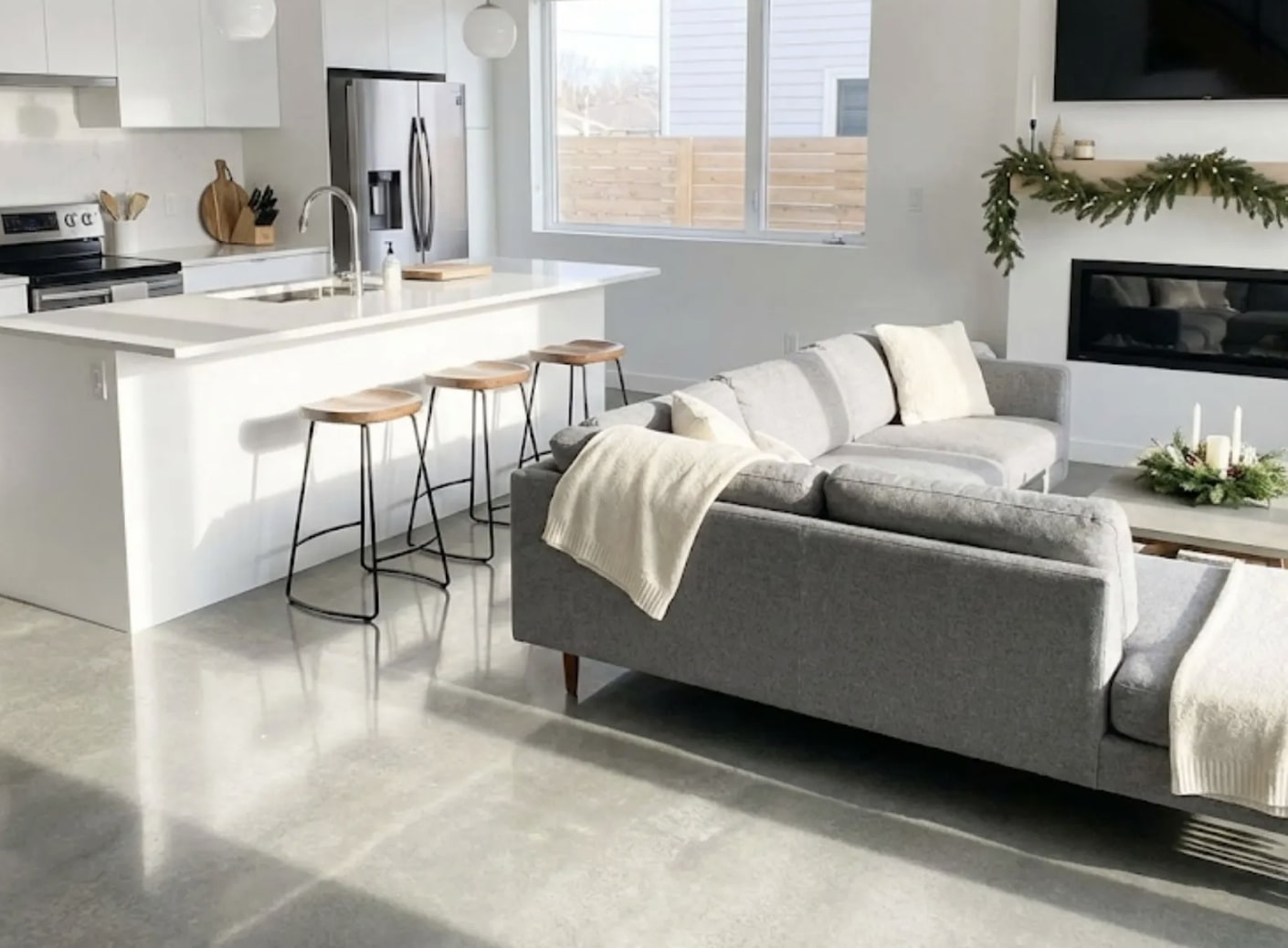
When it comes to maintaining a clean home, routine cleaning just scratches the surface. Deep house cleaning is the ultimate solution for tackling hidden dirt, grime, allergens, and buildup that lurks in places often forgotten. This room-by-room deep cleaning guide delivers a comprehensive breakdown of the process, revealing the shocking amount of buildup that can accumulate over time. Let’s walk through each room and expose what deep house cleaning involves.
Kitchen Deep Cleaning: Where Grime and Germs Hide
The kitchen is one of the busiest and most bacteria-prone areas in any home. Surface wiping is not enough.
Key Areas to Target in Kitchen Deep Cleaning:
- Inside Appliances: Scrub inside the refrigerator, freezer, oven, and microwave. Remove shelves, soak them, and wipe down every crevice. Clean under burners and behind the fridge.
- Cabinet Interiors: Empty cabinets and drawers, vacuum crumbs, and clean with a degreasing solution.
- Grease-Laden Surfaces: Vent hoods, backsplash tiles, and cabinet doors collect sticky residue. Use heavy-duty degreasers.
- Sink and Garbage Disposal: Scrub sinks, descale fixtures, and deodorize the garbage disposal with vinegar, ice, and baking soda.
- Floor Grout and Baseboards: These areas often house hidden grime. Deep scrub with a steam cleaner or toothbrush.
Bathroom Deep Cleaning: Germ Zones Exposed
Bathrooms are havens for mold, mildew, and soap scum. Deep cleaning this space is essential for hygiene.
What to Include in a Bathroom Deep Clean:
- Shower and Tub: Remove hard water stains, soap scum, and mildew. Use a bleach solution or mold remover in corners and tile grout.
- Toilet Base and Behind the Toilet: Not just the bowl. Wipe and disinfect the entire unit, including hinges and crevices.
- Sink and Vanity: Clear out drawers, disinfect inside cabinets, and polish all hardware.
- Tile and Grout: Mold and bacteria hide here. Use a grout brush and baking soda paste or grout cleaner.
- Ventilation Fans: Remove dust buildup to improve air quality and reduce mold risks.
- Bathroom Floors and Corners: Hand scrub or steam clean around the toilet, behind doors, and into baseboard crevices.
Living Room Deep Cleaning: Hidden Dust and Allergens
This is a high-traffic zone and a dust magnet. Deep cleaning here enhances indoor air quality and comfort.
Living Room Cleaning Essentials:
- Upholstery and Cushions: Vacuum thoroughly using a crevice tool. Spot clean with fabric-safe cleaners. Consider steam cleaning.
- Curtains and Blinds: Machine wash curtains and hand-wipe blinds. Dust clings to these unnoticed surfaces.
- Ceiling Fans and Light Fixtures: Use microfiber cloths or vacuum extensions to remove dust from hard-to-reach areas.
- Baseboards and Corners: Dust, grime, and pet hair collect at floor levels—often ignored in regular cleanings.
- Carpets and Rugs: Shampoo or steam clean to extract deep-set dirt, dander, and stains.
- Electronics and Cables: Wipe down TV screens, remotes, consoles, and tangled cords that trap dust.
Bedroom Deep Cleaning: Your Personal Sanctuary Deserves It
Bedrooms should be allergen-free zones, but they often hide dust mites and skin particles.
Bedroom Deep Clean Musts:
- Mattress Cleaning: Vacuum both sides, sprinkle with baking soda, let sit, and vacuum again. Consider professional steam or UV treatments.
- Under the Bed: Sweep and vacuum this forgotten space. Remove and clean any storage bins.
- Closets and Drawers: Take everything out, donate unused clothes, wipe shelves, and disinfect handles.
- Nightstands and Lamps: Wipe down with gentle cleaners. Dust accumulates on lampshades and charging cords.
- Vent Covers and Air Ducts: Dust and allergens circulate through HVAC systems. Clean vents and replace filters.
- Window Tracks and Sills: Use a brush and vacuum to remove dirt and dead insects lodged in sliding tracks.
Laundry Room Deep Cleaning: Mold and Lint Alert
Small but essential, this space is often overlooked and is a hotbed for mold and lint accumulation.
Laundry Room Focus Points:
- Washing Machine Drum: Run a hot cycle with vinegar and baking soda. Clean the rubber seal and detergent drawer.
- Dryer Lint Trap and Vent: Clear lint from the trap after every load and deep clean the external vent to prevent fire hazards.
- Behind Appliances: Dust, lint, and lost items pile up behind machines. Pull them out and clean the floor and wall areas.
- Storage Cabinets: Declutter detergent bottles, wipe surfaces, and clean shelf liners.
- Sink and Countertops: Scrub with antibacterial cleaner and check for water stains or mildew under the sink.
Hallways, Entryways, and Staircases: First Impressions Count
These transition zones are often skipped but accumulate significant grime.
Deep Clean Checklist for Transitional Areas:
- Doormats: Vacuum and hose off or replace completely.
- Walls and Light Switches: Remove fingerprints, scuffs, and cobwebs.
- Banisters and Railings: Disinfect and polish. Germs collect here with every touch.
- Closets and Storage Benches: Empty and clean shoe racks and coat hooks. Deodorize shoes or consider odor-absorbing products.
- Flooring: Deep mop or scrub scuffed wood, tile, or vinyl.
Home Office Deep Cleaning: Where Dust Meets Electronics
Increased remote work has made the home office a crucial space for cleanliness and productivity.
Office Space Deep Clean Essentials:
- Keyboard, Mouse, and Screens: Use electronic-safe disinfectants to wipe down daily-use items.
- Desk Drawers: Clear clutter, disinfect interiors, and organize office supplies.
- Bookshelves and Paper Stacks: Dust books, purge unused papers, and clean underneath furniture.
- Cords and Surge Protectors: Detangle and clean cables. Dust builds up around electronic heat sources.
Garage and Utility Room Deep Cleaning: The Final Frontier
Often neglected, these areas can become catch-alls for dust, pests, and chemicals.
Don’t Skip These Garage Cleaning Priorities:
- Decluttering: Sort tools, boxes, and sports equipment. Donate or dispose of unused items.
- Workbench and Shelves: Wipe down surfaces, sweep under tools, and inspect for spider webs and rodents.
- Garage Door Tracks and Walls: Vacuum debris and lubricate moving parts.
- Floors and Drains: Use a push broom and degreaser to clean oil stains and sludge from floors.
Why Deep Cleaning Matters More Than You Think
Deep house cleaning isn’t just about visual appeal—it directly impacts air quality, health, and mental clarity. Removing unseen dust, mold, and bacteria can alleviate allergies, reduce asthma symptoms, and even boost productivity. It’s a powerful investment in your home and well-being.
Pro tip: For maximum results, schedule a deep cleaning session every 3 to 6 months, depending on your lifestyle, number of residents, and pets.
Final Thoughts: Ready for the Shock?
After completing a full deep clean, many homeowners are genuinely shocked by the amount of hidden dirt, grime, and buildup that accumulates over time—thick dust behind appliances, mold thriving in grout, and pet hair clogging vents are just the beginning. At Fresh Flare Cleaning Services, we believe a deep clean is not just about appearances—it’s about creating a healthier, more comfortable living environment. Our room-by-room approach uncovers what everyday tidying often misses, transforming your home from the inside out. If you’ve never experienced a professional deep cleaning before, the results can be astonishing.
You’ll breathe better, feel better, and finally enjoy the fresh start your home deserves. Want to know what it costs and what’s included in a one-time deep clean? Don’t miss our next blog: “One-Time Deep Cleaning Costs: What’s Included and How to Budget”—your guide to planning, pricing, and prioritizing your perfect clean.
Frequently Asked Questions (FAQs)
- What is the difference between regular cleaning and deep house cleaning?
Regular cleaning focuses on surface-level tasks, while deep house cleaning targets hidden dirt, grime, and buildup in hard-to-reach areas.
- How often should I schedule a deep house cleaning?
It’s recommended to deep clean your home every 3 to 6 months, depending on your lifestyle, number of occupants, and whether you have pets.
- Which rooms need the most attention during a deep clean?
Kitchens and bathrooms usually require the most attention due to grease, bacteria, and mold buildup in hidden or high-use areas.
- Can deep house cleaning improve indoor air quality?
Yes, removing dust, mold, and allergens through deep cleaning significantly improves air quality and reduces allergy and asthma symptoms.
- Is professional help necessary for deep house cleaning?
While DIY deep cleaning is effective, hiring professionals can ensure a more thorough job, especially in areas like HVAC systems or behind appliances.