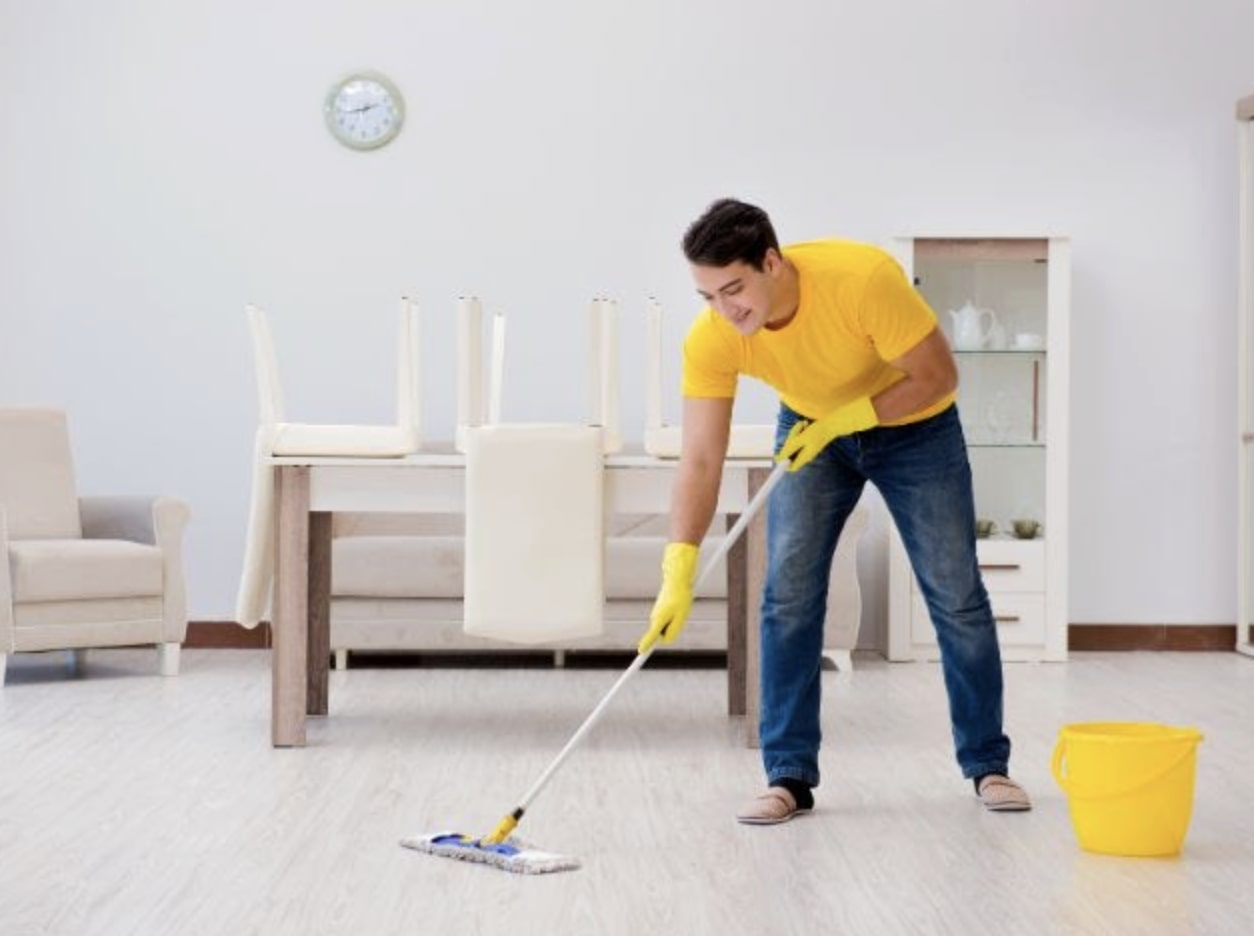

Keeping your home clean should be simple—but in reality, many people end up working harder than they need to for results that aren’t quite up to par. From scrubbing the same surface over and over to using the wrong cleaning agents, small missteps can add up and make the whole process frustrating.
This guide dives into five of the most common cleaning mistakes that people make—often without even realizing it—and offers clear, actionable advice to help you clean smarter, not harder. Whether you’re tidying up a studio apartment or deep-cleaning a family home, avoiding these mistakes can transform your routine and elevate the cleanliness of your space.
Mistake #1: Using the Wrong Cleaning Products
Why It Happens
We’ve all been guilty of grabbing a random “multi-surface cleaner” and applying it to everything—counters, windows, appliances, even wood furniture. But while these products sound versatile, they’re not always safe or effective for every surface.
The Problem with One-Size-Fits-All Solutions
Different surfaces have unique needs. For example, acidic cleaners like vinegar are great on glass but can damage granite and marble. Similarly, bleach works wonders on bathroom mildew but is too harsh for many kitchen countertops or delicate fabrics. Using the wrong product can result in permanent stains, dulled finishes, and even toxic reactions if mixed improperly.
How to Get It Right
Start by reading labels carefully. Identify what each product is designed for, and use it only on those surfaces. When in doubt:
- Use pH-neutral cleaners for hardwood floors and natural stone.
- Choose non-abrasive sprays for stainless steel and glass.
- Never mix bleach with ammonia-based cleaners—this creates a dangerous gas.
Additionally, consider whether a natural or chemical-based cleaner is more appropriate. Natural options like baking soda and vinegar are eco-friendly and safe for homes with kids or pets, but they may not disinfect as thoroughly as commercial products.
Mistake #2: Not Allowing Cleaners to Sit (Dwell Time)
Why It Happens
Spray, wipe, done—it’s fast and convenient. But the problem is that most cleaners aren’t instant miracle workers. They require dwell time to effectively break down grime and kill bacteria.
What Is Dwell Time?
Dwell time is the amount of time a cleaning agent needs to remain on a surface to do its job. For disinfectants, this can be 5 to 10 minutes—or more. Without this wait time, germs and dirt often survive, and your efforts go to waste.
Maximizing the Effectiveness of Your Products
Instead of rushing through the cleaning process, try a more strategic approach:
- Spray all your targeted areas at the start.
- Let them sit while you move on to something else (like organizing or vacuuming).
- Come back after the product has had time to work, and then wipe.
For example, if you’re tackling your bathroom, spray down the toilet, sink, and shower, then clean your mirror and restock supplies before wiping surfaces. You’ll use your time more efficiently and achieve a truly clean result.
Mistake #3: Forgetting High-Touch Surfaces
Why It Matters
Most people focus their cleaning efforts on visible messes—crumbs on the counter, dust on the shelves, or a stained floor. But The real bacteria hotspots are often the items we touch every day without even noticing.
Surprising Germ Hubs in Every Home
Some of the dirtiest places in a home include:
- Light switches
- Doorknobs and cabinet handles
- TV remotes and game controllers
- Cell phones and tablets
- Fridge and microwave handles
- Faucet knobs
These are the surfaces where germs thrive because they’re touched frequently but rarely cleaned. During flu season or high-traffic days, these areas can contribute to the rapid spread of bacteria and viruses.
Simple Solutions for High-Touch Areas
Create a checklist of the key touchpoints in your home and make a habit of disinfecting them at least 2–3 times a week. Use:
- Disinfectant wipes or sprays with at least 70% alcohol
- Microfiber cloths that trap particles rather than spreading them
- Color-coded cloths to avoid cross-contamination between rooms
Mistake #4: Cleaning With Dirty Tools
The Irony of a Dirty Sponge
Your cleaning tools should be your biggest allies—but when they’re not cleaning themselves, they become part of the problem. A dirty mop just spreads germs across your floors. A bacteria-filled sponge can contaminate everything you scrub.
How to Keep Tools Clean
Let’s break down the most commonly used tools:
- Sponges: Sanitize daily by microwaving a damp sponge for 1 minute or running it through the dishwasher. Replace every 1–2 weeks.
- Microfiber cloths: Wash after every use with hot water and dry thoroughly. Avoid fabric softeners, as they reduce effectiveness.
- Mops: Detachable heads should be soaked in bleach or vinegar water after every few uses. For string mops, rinse thoroughly and hang to dry.
Even vacuum cleaners need regular cleaning—empty the dustbin after each use and clean filters monthly.
Mistake #5: Overloading the Washing Machine
What’s the Harm in Stuffing It Full?
It seems efficient—just throw everything in and get it done in one go. But overloaded washing machines can’t clean clothes properly. When laundry doesn’t have space to move, water and detergent can’t circulate, and dirt stays trapped in the fabric.
The Downside of Too Much Laundry
You may notice:
- Clothes come out still dirty or with detergent streaks
- Musty smells develop due to poor rinsing
- Fabric fibers wear out faster
- The machine’s motor strains, shortening its lifespan
How to Load the Right Way
Follow these guidelines:
- Fill the drum only ¾ of the way
- Separate heavy fabrics (towels, blankets) from lighter ones
- Use the correct cycle for the load type
- Measure detergent properly—more soap doesn’t mean more clean
Bonus Tips for Smarter Cleaning
1. Stick to a Routine
Cleaning is easier when it’s consistent. Set a daily, weekly, and monthly schedule so tasks don’t pile up. A little effort each day beats a weekend-long deep clean.
2. Declutter First
Before you clean, remove clutter from surfaces. It saves time, reduces distractions, and helps you reach every corner.
3. Embrace Microfiber
Microfiber cloths lift dust and grime more effectively than traditional rags. They’re reusable, eco-friendly, and safe on nearly all surfaces.
4. Use a Caddy
Keep your essential cleaning supplies in a portable caddy. This helps you move quickly from room to room without wasting time looking for tools.
Conclusion: Clean Smarter, Live Better
Cleaning isn’t just about removing dirt—it’s about creating a healthier, more comfortable living environment. But if you’re making these common mistakes, your efforts may not yield the sparkling results you’re after.
By choosing the right products, respecting dwell time, targeting hidden germs, cleaning with clean tools, and loading machines properly, you’ll find yourself spending less time cleaning with better outcomes.
If life gets too busy or you just want a professional touch, consider letting the experts handle it. Fresh Flare Cleaning Services specializes in efficient, detail-oriented home and office cleaning. Our team uses proven methods and safe, high-quality products to leave your space spotless and refreshed.
Frequently Asked Questions
- What is the biggest cleaning mistake most people make?
- Not letting cleaning products sit long enough to work effectively is one of the top mistakes.
- How often should I replace cleaning clothes?
- Microfiber cloths should be washed after every use and replaced every 3–6 months.
- Can natural cleaners disinfect?
- Natural cleaners like vinegar clean well but don’t disinfect. Use alcohol or hydrogen peroxide for true disinfection.
- Why does my home still feel dirty after cleaning?
- It could be due to using dirty tools, skipping hidden areas, or using the wrong products.
- Is there a perfect time of day to clean?
- Morning is ideal—natural light helps you see dirt better, and it gives a fresh start to the day.
Start cleaning with intention, not exhaustion—because a truly clean space begins with the right mindset. Discover how cleanliness impacts your well-being in our next blog: “The Psychology of Clean: How a Tidy Space Affects Your Mood and Productivity.